
In most global narratives, safety is reduced to numbers. It appears in reports, charts, and carefully measured risk levels. In Tbilisi, the experience is different. After midnight, safety feels less like a system and more like a rhythm shaped by people, space, and habit.
A recent international survey by GORBI places Georgia among the top countries where women feel safe walking alone at night. Around 89% of respondents confirmed this, putting the country alongside China and Vietnam. On the other side of the list are Chile, Ecuador, and Mexico, where women report feeling far less secure after dark.
Still, statistics don’t fully translate into lived experience. To understand this number, it helps to walk through the city at night. Rustaveli Avenue stays lit and active, while Sololaki moves into softer, quieter tones. Courtyards remain half-open, voices travel between balconies, and the line between private and public space becomes less defined.
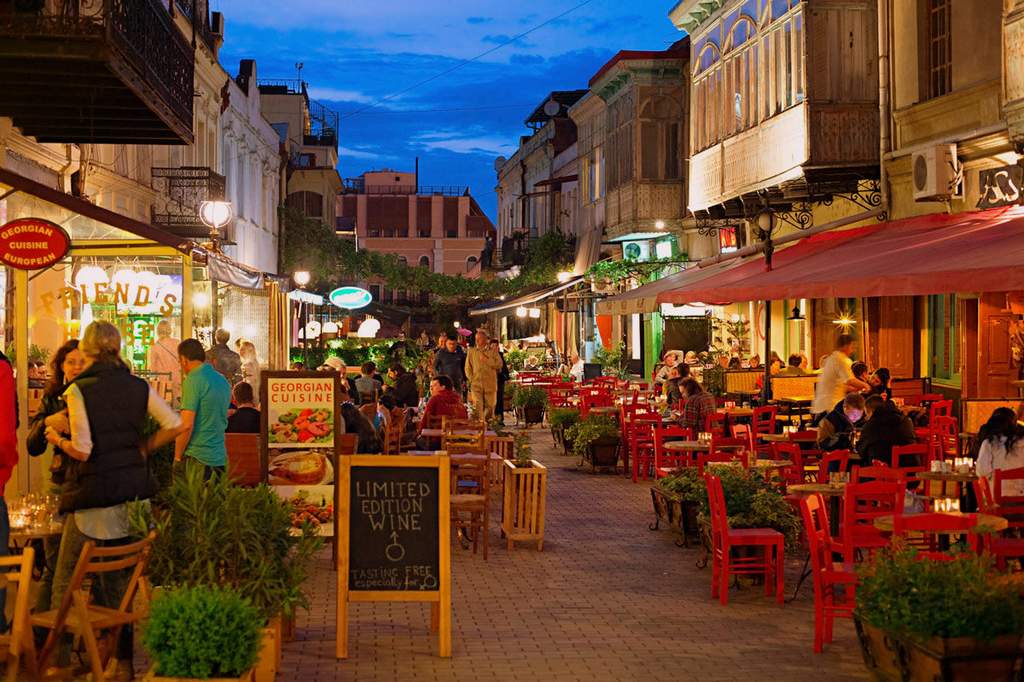
This environment creates a specific kind of visibility. In older parts of the city, architecture plays a role. Open balconies, shared yards, and narrow passages allow constant awareness. People notice movement, not through surveillance systems, but through familiarity.
The result feels paradoxical. The city remains open, yet rarely anonymous. Movement happens within a network of recognition, even among strangers.
Nightlife follows the same pattern. It does not separate itself into isolated zones. A bar extends into the street, a club releases people into neighborhoods that are still active. The night continues rather than fragments.
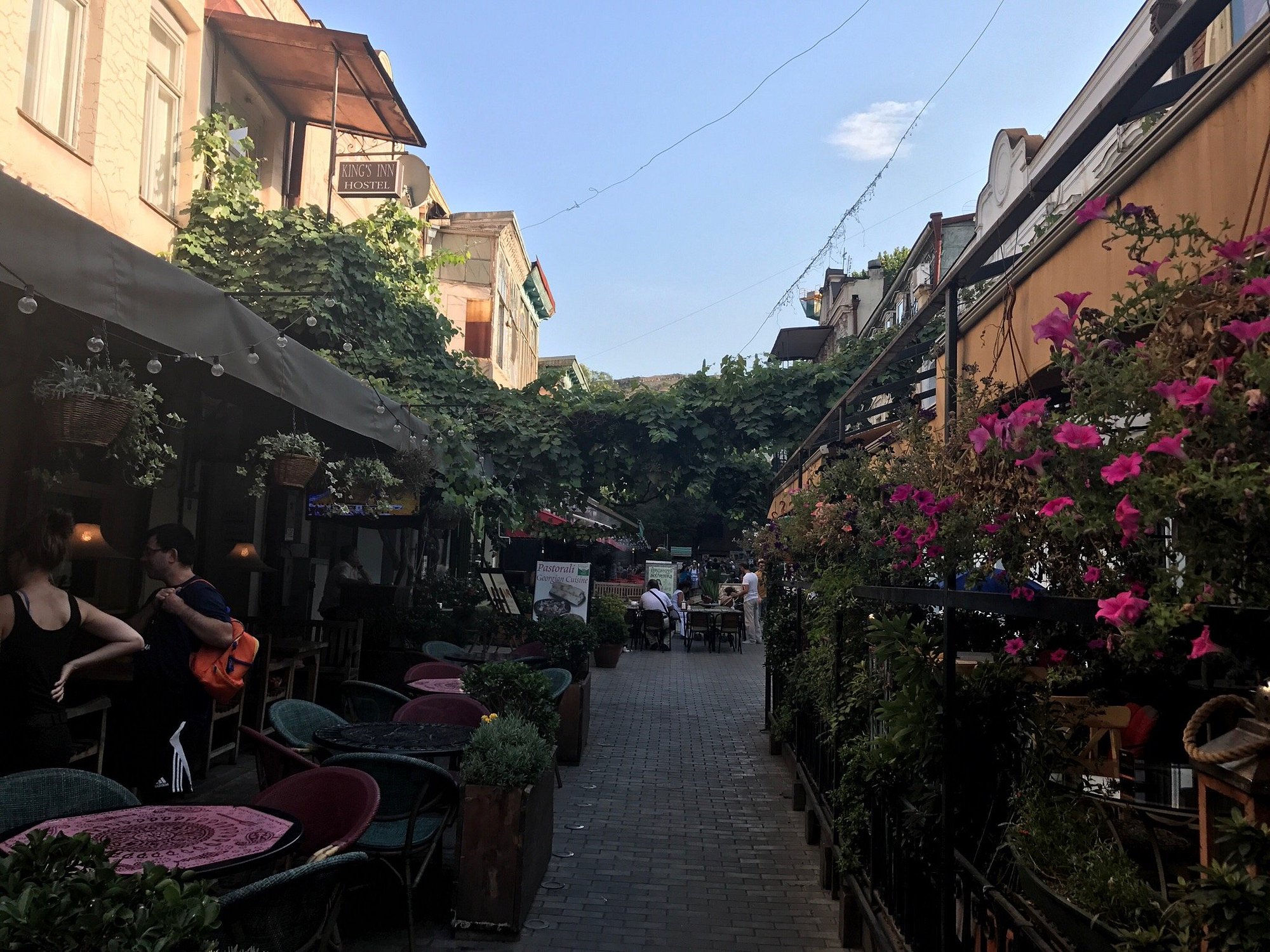
This continuity shapes perception. Being outside late does not feel like entering an empty space. It feels like stepping into an ongoing flow where others are still present.
Cultural context adds another layer. Social behavior in Georgia is closely tied to reputation and community. Actions rarely stay individual. They connect to family, to name, to a wider social circle.
This creates a balance. On one side, there can be curiosity or attention, especially toward visitors. On the other, there are limits shaped by social expectations. Public behavior remains moderated by the awareness of being seen and remembered.
It would be too simple to describe this as a model of perfect safety. Perception and reality do not always align. A strong sense of community can increase feelings of security even when structural conditions vary.
Experience also depends on location. Central areas differ from the outskirts. Locals, migrants, and visitors may navigate the city in different ways. Age, familiarity, and social position all influence how the night is experienced.
At the same time, the same elements that support safety can also restrict. Close social networks observe, but they can also judge or exclude.
Even with these nuances, Tbilisi maintains a distinct balance. It is neither heavily controlled nor indifferent. It does not rely entirely on systems, and it does not leave space completely unregulated.
After midnight, the city feels held together by presence. Light, movement, and quiet observation create a shared environment. Safety is not imposed from above. It emerges from the fact that the city remains inhabited.
The number – 89% – stays in the background. The real meaning appears in smaller details. Footsteps in a courtyard, a conversation from a balcony, a street that never fully empties.