
There are films where architecture stops being just a backdrop. It starts to feel like a presence – something that sets the mood, controls the pace, and shapes how we look at everything else.
Watching them feels less like observing and more like stepping inside a space that moves with you.
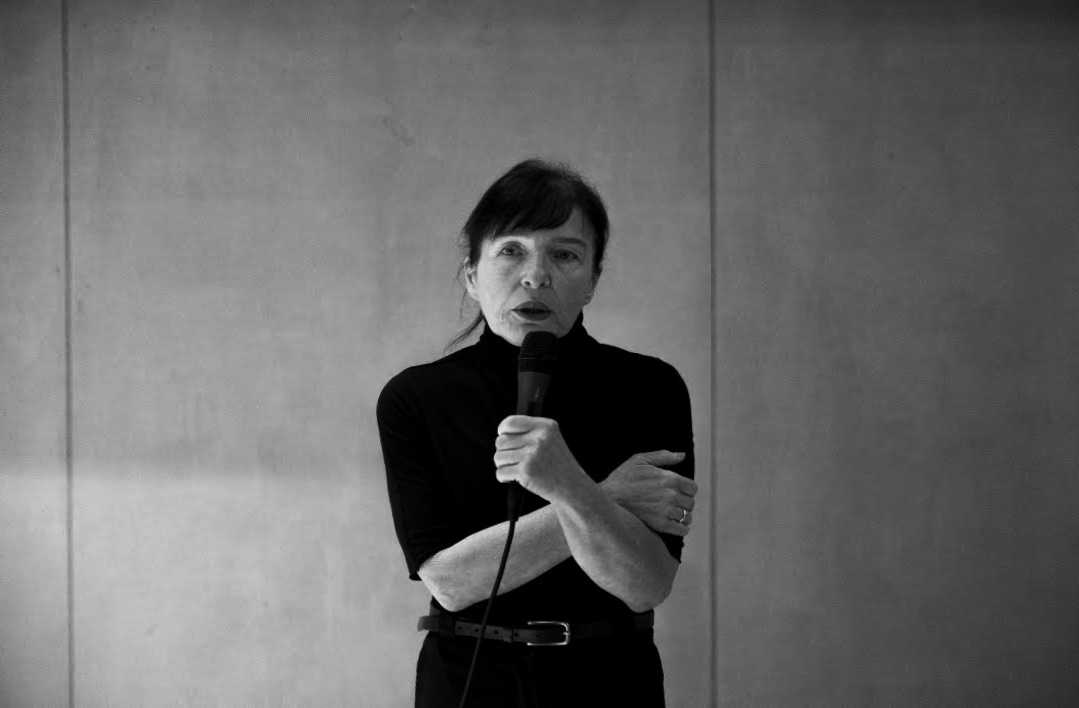
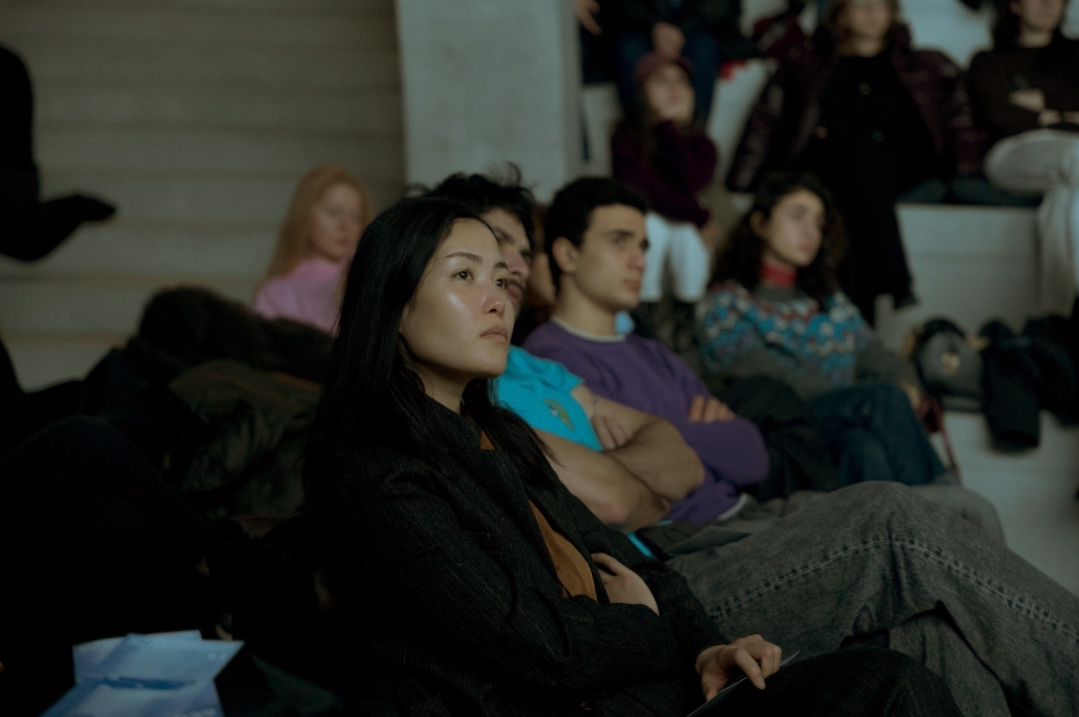
In Tbilisi, Irina Kurtishvili recently brought this idea into focus. Her program Film and Architecture, held at Art Foundation Anagi, quickly became one of the most talked-about cultural events in the city. The screenings were free, but getting in wasn’t always easy – the audience filled the space almost every time.
Kurtishvili, who works between Germany and Georgia, has spent years exploring the space where architecture, cinema, and art overlap. Her approach feels organic – shaped by both her background in scenography and her experience in Europe, where interdisciplinary formats are part of the cultural norm.
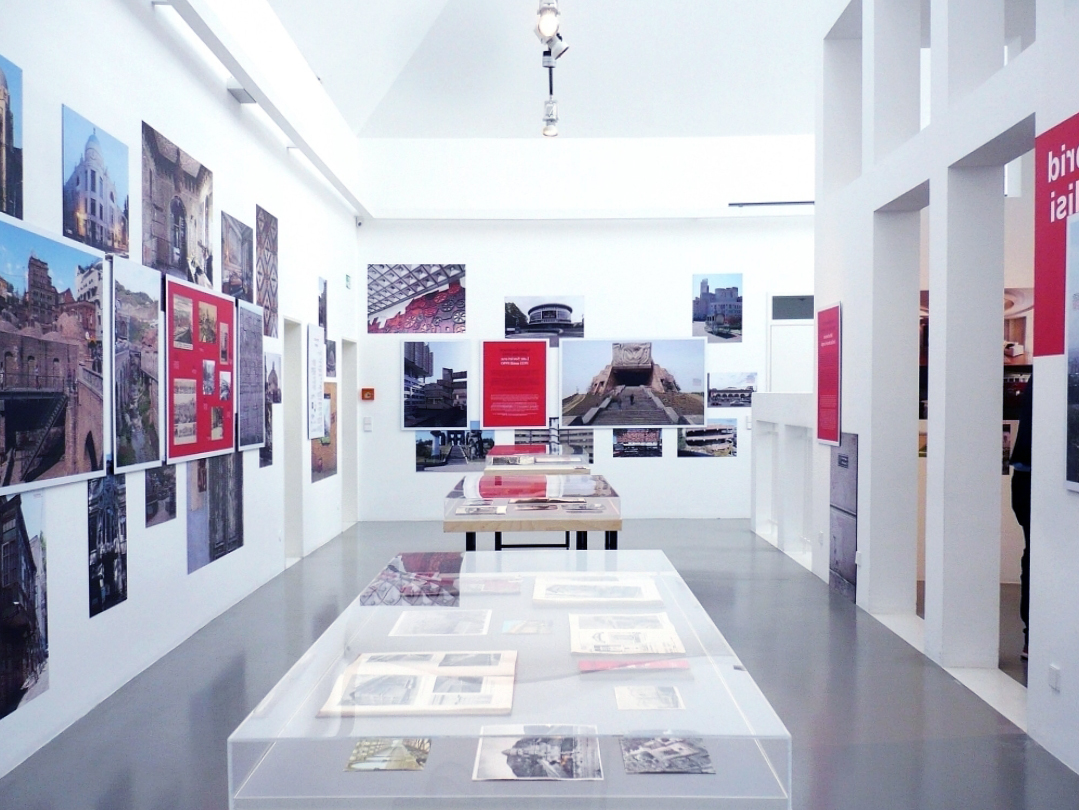
Her visual language seems almost inherited. Growing up around architectural thinking – her father was an architect deeply involved in exhibition design – she developed an early sensitivity to how space can tell a story. That idea now runs through everything she does.
The program itself started with the space. The auditorium at Art Foundation Anagi, with its intimate amphitheater, set the tone. It wasn’t just about watching films – it was about creating an atmosphere where architecture could be felt, not just discussed. The format was clear and structured, almost like a well-edited collection: weekly screenings, a rhythm the audience could follow.
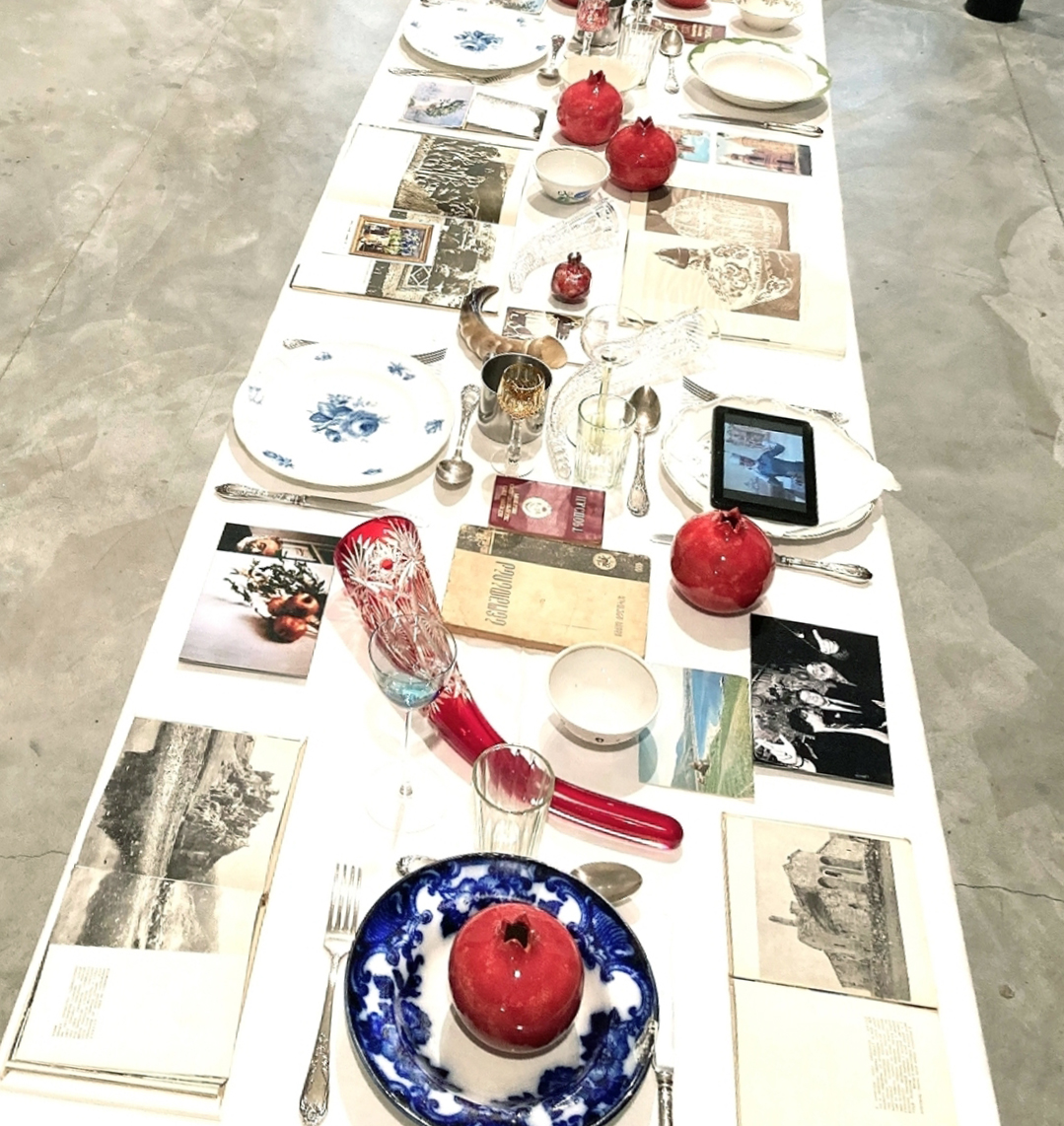
This method echoes European institutions – from German Architecture Museum in Frankfurt to Palazzo Grassi in Venice and Fondazione Prada in Milan – where cinema is often presented as part of a larger curatorial narrative. It’s less about isolated events and more about building a consistent cultural dialogue.
In many of the selected films, architecture feels almost styled – like a character with its own silhouette and attitude. Take Wings of Desire by Wim Wenders. Berlin isn’t just a city there – it’s a layered image, shaped by history, division, and memory. The locations carry emotional weight, almost like garments worn over time. Today, those same spaces have become iconic, partly because of how the film framed them.
The program moves across different aesthetics and decades, but the selection feels intuitive rather than academic. It opens with a documentary on Gottfried Böhm, whose work sits somewhere between architecture and spirituality. Then it shifts to Rem Koolhaas, whose projects blur the line between design and social theory.
And then there are the films that define the mood of the program: Zabriskie Point, Death in Venice, and again Wings of Desire. Each of them treats space almost like fabric – something that can stretch, break, or dissolve. In Zabriskie Point, for example, the desert becomes a stage for tension and release, echoing ideas of consumption and collapse that still feel relevant today.
What makes this program stand out is how it reframes cinema as a way of reading the city. On a big screen, architecture becomes emotional. It’s no longer just form – it’s atmosphere, memory, even conflict.
At the same time, Kurtishvili points out a shift. Cinema today competes with smaller screens, faster formats. Yet the act of going somewhere to watch a film still matters. It’s almost ritualistic – like stepping into a curated space where attention is controlled.
Ideally, the city itself would reflect that. Not just through digital signals, but through physical ones – facades, posters, urban textures. A kind of visual language that lets you feel what’s happening in the city without checking your phone. In that sense, film becomes more than narrative – it turns into a cultural code embedded in space.
Against the fast-changing landscape of Tbilisi, this kind of project feels especially relevant. It doesn’t offer clear answers, but it opens a conversation. After screenings like Urbanized, discussions became more active, especially among younger audiences. There’s a clear need for space – not just physical, but intellectual – to rethink how the city is evolving.
References like Alejandro Aravena come into play here. His approach to social housing – where residents actively shape their environment – feels like a possible direction for cities in transition.
More broadly, initiatives like this build a new kind of cultural habit. In cities like Berlin, similar programs are part of academic and public life, running alongside lectures and exhibitions. In Tbilisi, this format is still emerging, but the interest is clearly there.
Kurtishvili’s project doesn’t just connect film and architecture. It reframes both through a fashion-like lens – where space, like clothing, carries meaning, identity, and mood. And judging by the response, this is only the beginning of a longer conversation.