
The Metrica Fashion Show is aimed at showcasing emerging Georgian and international designers while strengthening their presence both in the region and globally.
Metrica was founded in 2022 by Gita Dzhavid and fashion designer Maia Chkhartishvili. Before launching the project, Dzhavid worked in business consulting for a Metaverse company involved in fashion-related projects. After starting her career as a runway model, she fully transitioned into the fashion industry and focused on its development.
Representatives of the fashion industry, culture, and the arts from Europe, Asia, Japan, and Georgia gathered in Tbilisi for the event.
The international Metrica Fashion Show took place at the Badri Patarkatsishvili Palace of Rituals on May 13–14, bringing together designers, bloggers, fashion editors, photographers, artists, and other creative professionals, as reported by the organizers to Caucasus Style.
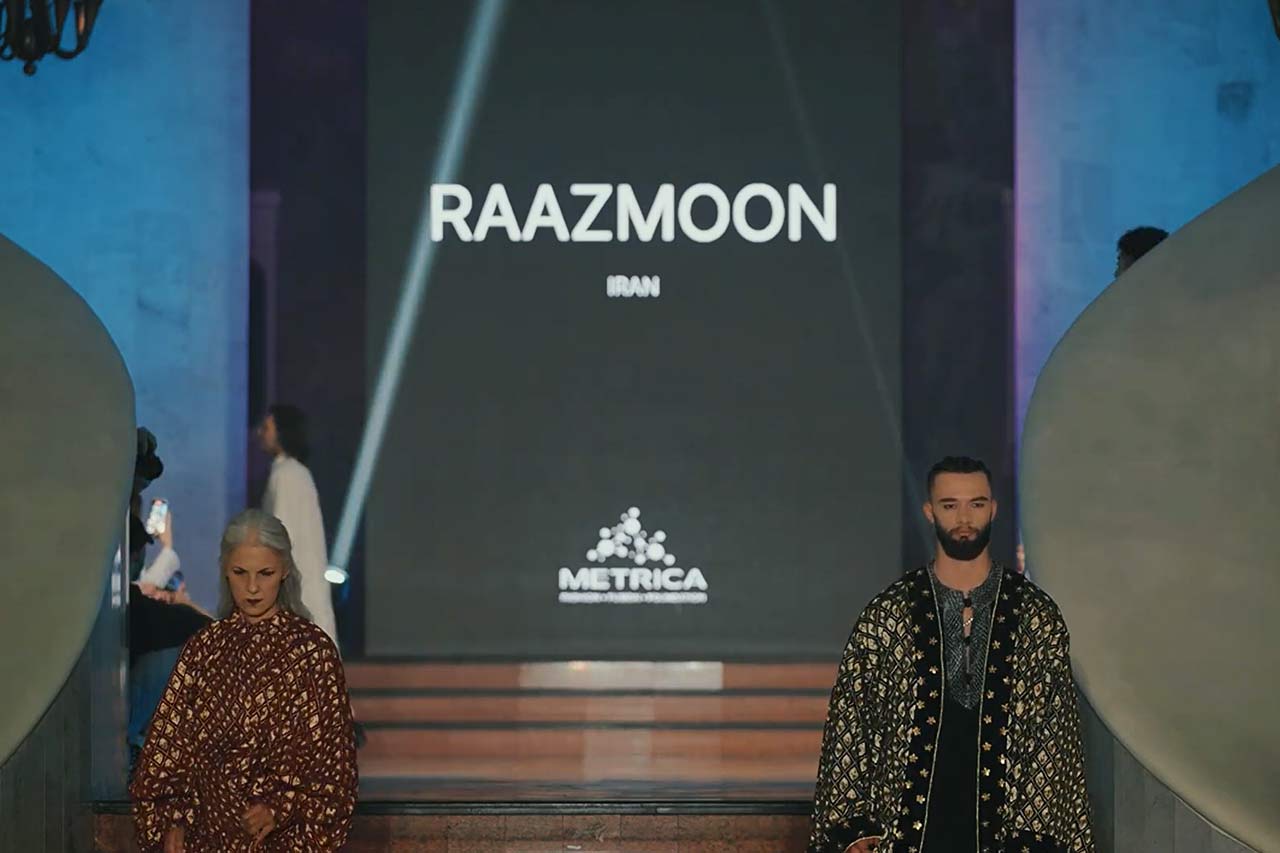
Designers from Georgia, Armenia, Kazakhstan, Uzbekistan, Belarus, Israel, Azerbaijan, Ukraine, Iran, Sweden, and Japan presented their collections during the show.
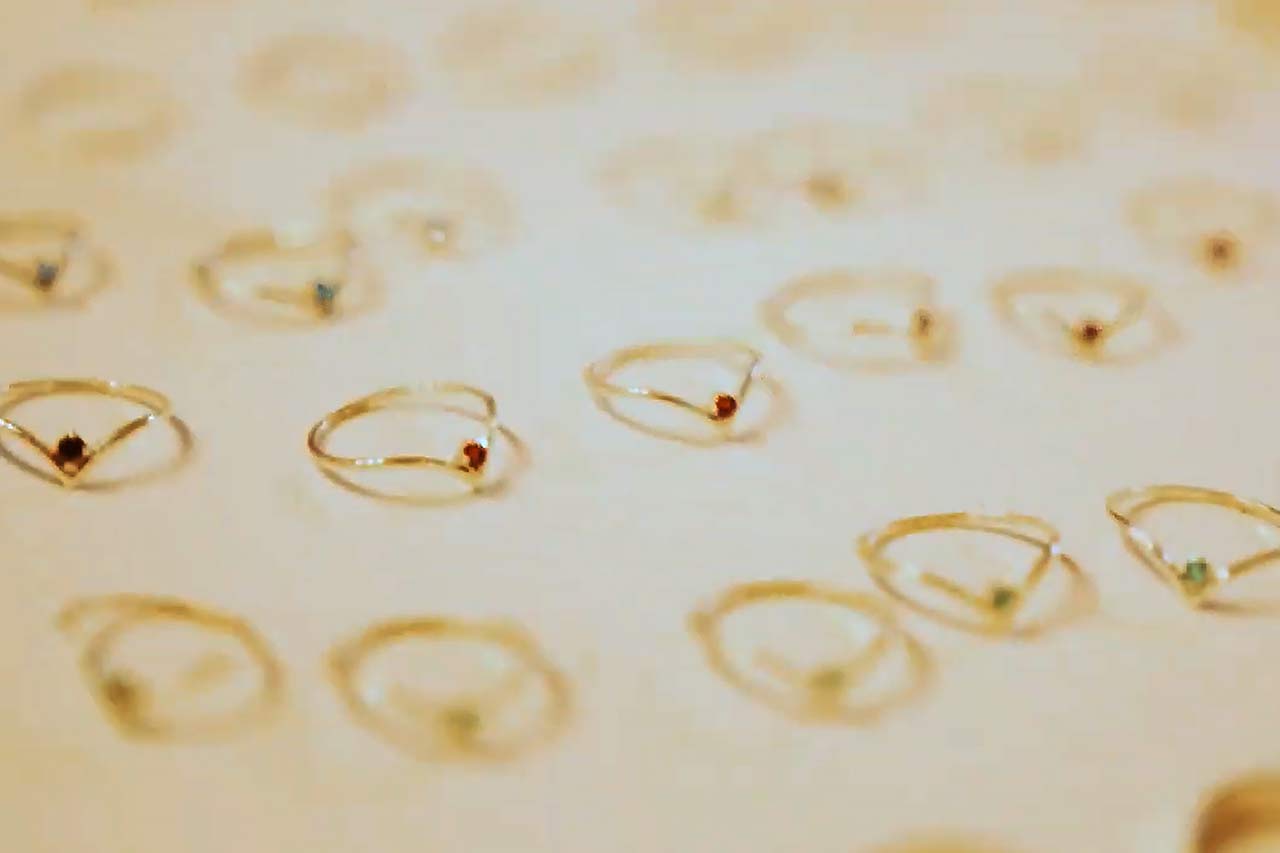
A total of 16 designers showcased their collections on the runway, while around 40 brands participated in the showroom, presenting clothing, accessories, jewelry, and more.
The program also featured live performances by well-known artists in pop, jazz, and rap/urban pop genres.
Among the participants were Reverie (Georgia), Dmitry Celsin (Georgia), Bakmy Enamel (Georgia), Sacria Atelier (Azerbaijan), Aisha (Azerbaijan), Diana Rakhmaninova (Azerbaijan), Pentatonika (Kazakhstan), Mriyou (Ukraine), Lilia D Ulat (Uzbekistan), Cut & Desh (Kyrgyzstan), Raazmoon (Iran), Uno Mas Uno (Belarus), Seda Manukyan (Armenia), Daniel Khats (Israel), Sodra (Sweden), as well as REM – a collaboration project by Maia Chkhartishvili and artist Alisa Ioffe.
According to the organizers, along with creative professionals, Tbilisi also hosted representatives of international foundations, ministries, and embassies, highlighting that fashion and creativity are essential parts of cultural life and should be supported at a high level.
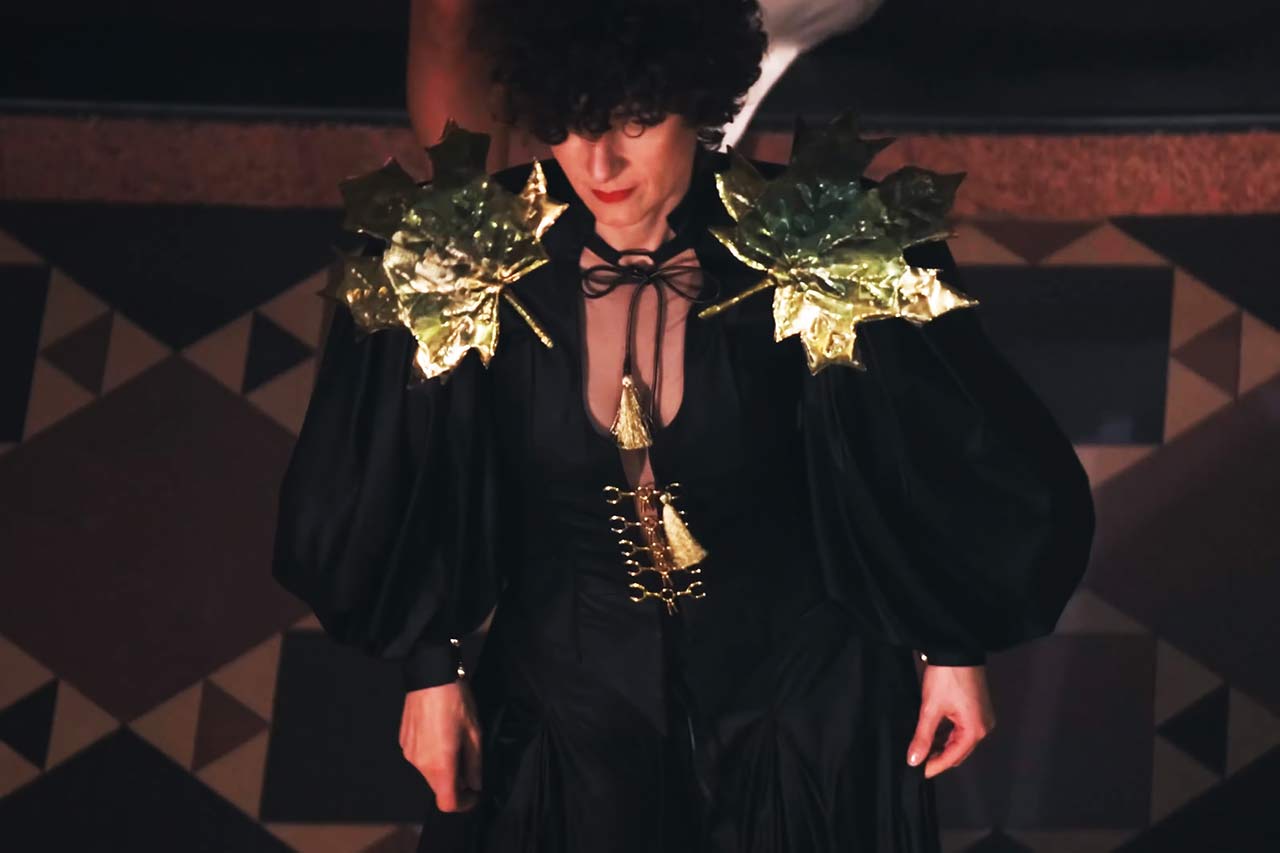
Participants of the Metrica Fashion Show represented countries such as Georgia, Sweden, Israel, Germany, Azerbaijan, Uzbekistan, Ukraine, Armenia, Belarus, Iran, Kazakhstan, and others.
One of the special highlights of the event was a robot designer and customizer presented by Robohood. Organizers noted that the robot’s performance impressed the audience and became a major topic for media and guests.
“It is often said that artificial intelligence is gradually entering our lives. We believe it is already part of our reality. A collaboration with a robot designer is a progressive step for the fashion industry. Metrica Fashion Show is not just following trends – it is confidently moving among the first,” the organizers stated.
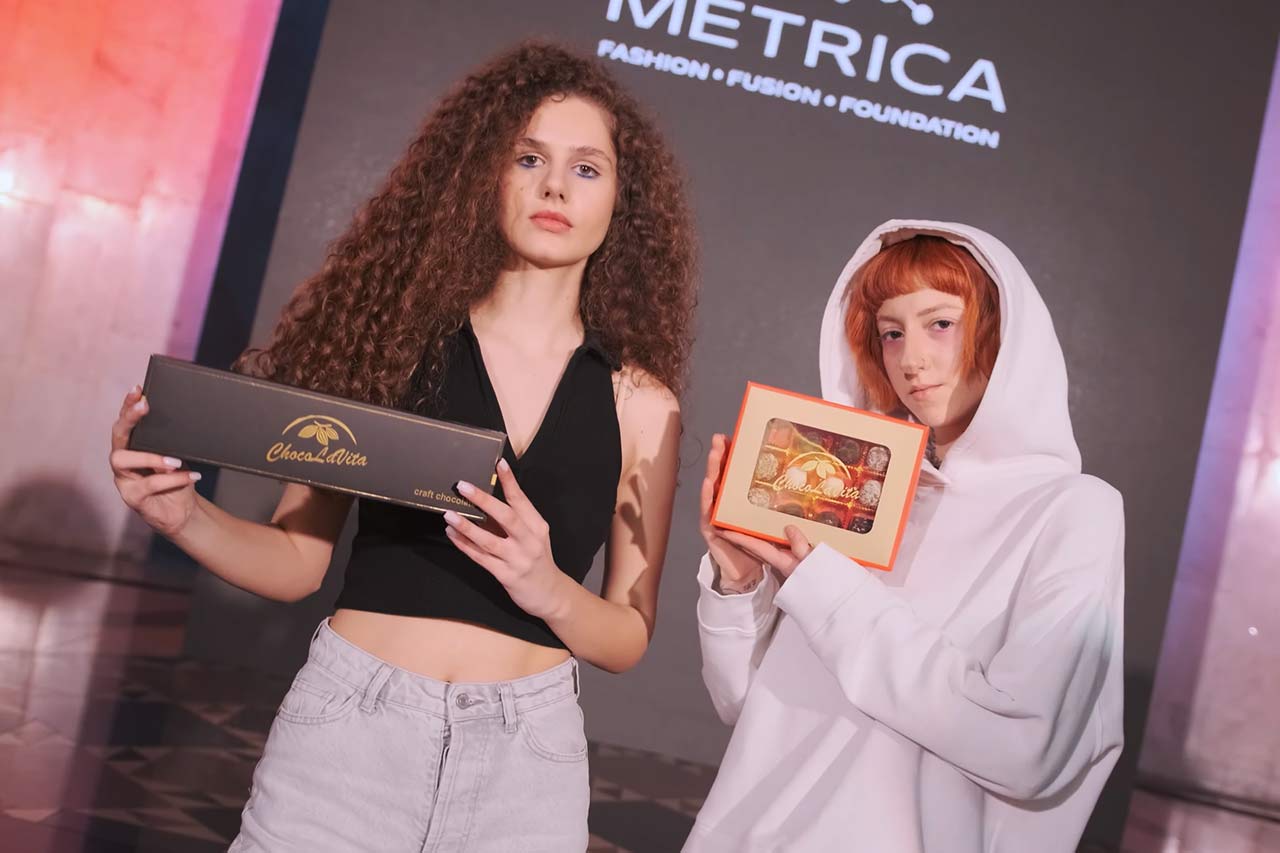
Choco LaVita – Belgian handmade chocolate – was presented at the event reception.
Speaking about recent trends in Georgian fashion, Dzhavid noted that local designers and brands tend to follow their own creative vision rather than strictly adhering to global tendencies.
“Freedom is often reflected in our collections, clothing, and accessories. Black has traditionally been a defining color in Georgian fashion, often combined with a subtle grunge aesthetic. In recent years, however, the direction has shifted – people are choosing more comfortable, oversized garments with functional details like multiple pockets. The way Georgian designers work with black is unique and cannot be seen elsewhere,” she said.