Sometimes the most interesting part of art isn’t the final result, but the process itself – raw, unfinished, and open to change. That was exactly the mood of the recent residency involving students from the Apolon Kutateladze Tbilisi State Academy of Arts at Art Villa Garikula.
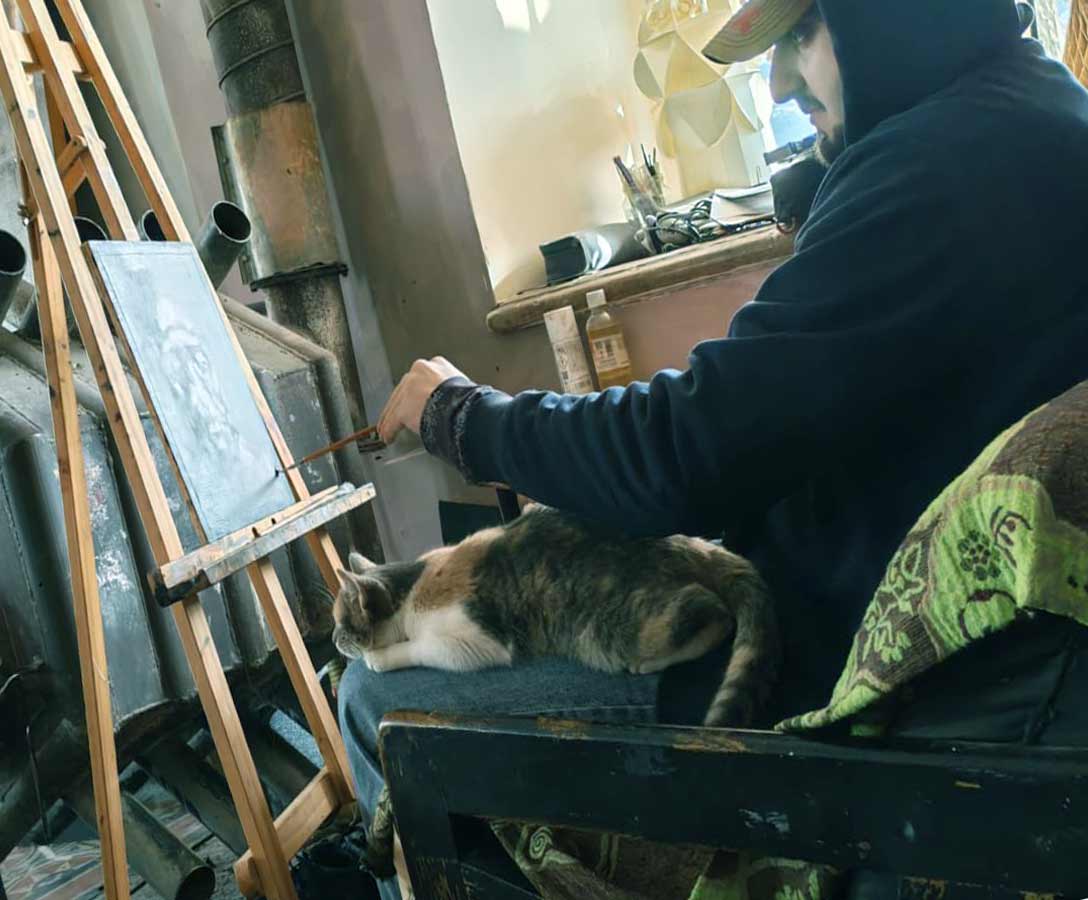
Over three days in January, painting, graphic arts, and sculpture students stepped out of the academic environment and into something more fluid. The residency felt less like a structured program and more like a live workshop – where ideas, materials, and space constantly interacted.
The first day set the tone. It was all about direction – preparing for the upcoming festival Lupercalia at Art Villa Garikula. Students worked in groups, building concepts, sketching, analyzing the space. It had a strong sense of construction, almost like developing a collection before it hits the runway: references, drafts, first forms.
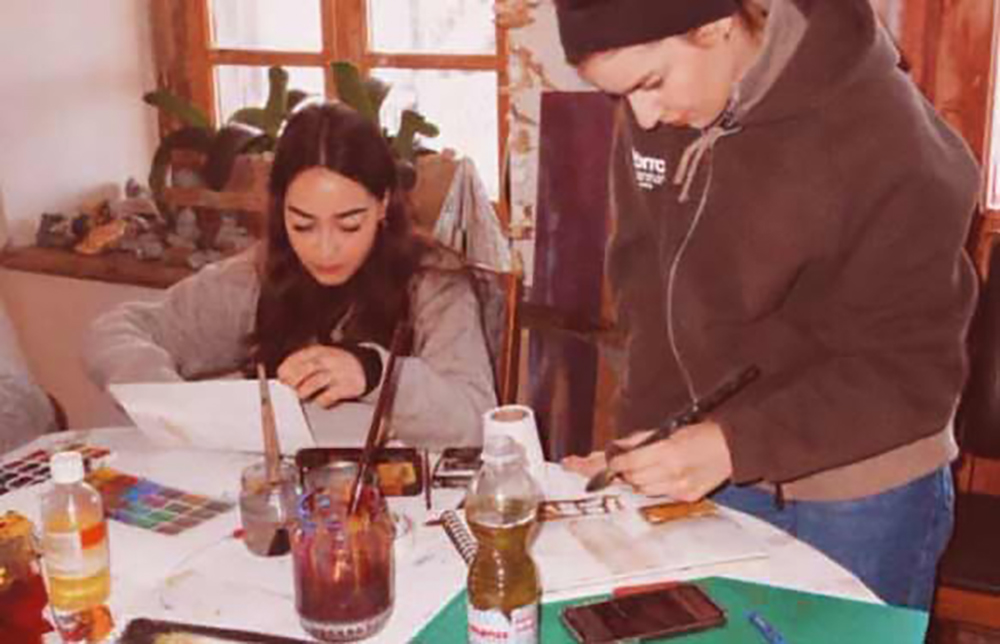
By the second day, everything shifted into motion. Ideas moved from paper into physical form. Materials were gathered, tested, reworked. The process became more tactile, more instinctive. There was less planning, more doing.
What stood out was the interdisciplinary energy. At some point, a student music group – “Garikulebi” – formed spontaneously. A workshop followed, blending sound with visual practice. It added another layer to the process, where rhythm began to influence form, almost like movement shaping fabric.
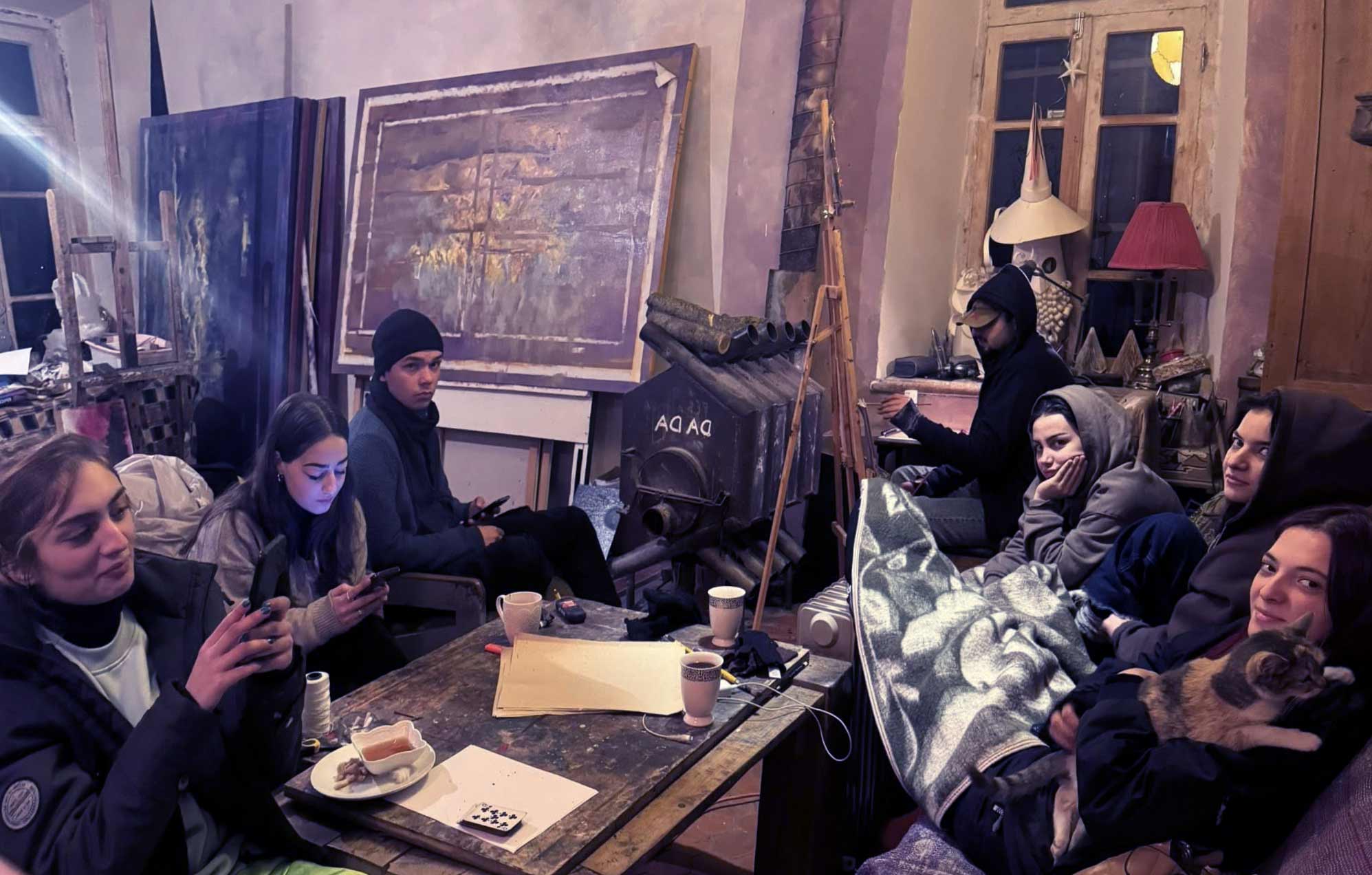
This interaction between disciplines created a kind of experimental aesthetic. Nothing felt fixed. Works developed through quick studies, fragments, etudes – more about exploration than perfection.
The final day brought a sense of focus. The works were documented, photographed, archived. The temporary became something more defined, though still carrying traces of the process behind it.
What makes this kind of residency relevant today is its approach. It moves away from the idea of polished, finished objects and instead highlights thinking, collaboration, and material research. In a way, it mirrors contemporary fashion practices – where process, experimentation, and collective work are just as important as the final piece.
At Art Villa Garikula, the students weren’t just producing art. They were learning how to build a visual language – through space, material, and interaction.
And that’s where the real value lies. Not in what was created, but in how it was created.